Menu planning for babies
Early childhood is an important time for babies growth and development.
Long day care services should provide nutritious food and drinks for babies aged 6-12 months old. Menus should align with nutrition guidelines. [1] [2]

You can provide tasty meals that meet babies nutrition needs using your regular menu.
This resource outlines what to consider when menu planning for babies. Use this resource together with the Victorian Government’s Menu planning guidelines for long day care.
First foods for infants

From birth until around 6 months of age, babies should only have breast milk or infant formula. Until this age, breast milk or formula give babies all the nutrition they need for growth and development.
From around 6 months:
- Breast milk or infant formula no longer provides enough nutrition and iron babies need to grow.
- Babies should start eating solid food to meet increased nutrition and iron needs to support growth.
- Iron-rich foods are recommended and should be some of the first foods offered.
Eating solid food at this age is also important for developing skills needed for eating. This includes chewing.
Foods provided should be safe textures for different ages and developmental stages. Start with pureed foods and progress to regular textures by 12 months.
What foods to offer
Iron
Iron is important for:
- babies growth and development
- the immune system, which helps the body fight infections.
This is why we want to offer foods that contain iron as one of the first foods babies eat.
Iron-rich foods include:
- iron-fortified infant cereals
- pureed meat, poultry and fish
- eggs
- cooked plain tofu
- legumes (e.g. chickpeas; red, green or brown lentils; split peas)
- beans (e.g. kidney beans, navy beans, broad beans, etc.)
Other foods
Other nutritious foods can be introduced as it suits the baby in any order.
You do not need to introduce new foods slowly.
By 12 months, babies should be enjoying a variety of nutritious foods from the five food groups:
- Vegetables and legumes/beans
- Fruits
- Grain (cereal) foods
- Lean meat and alternatives
- Dairy and alternatives
They should also be eating from the regular daily menu.

Looking for more information on the five food groups?
Check out the Menu planning guidelines for long day care.
Things to consider
- Different fruits and vegetables offer different nutrition. Try offer a wide variety of coloured fruits and vegetables throughout your weekly menu.
- When introducing foods that are pureed or mashed (e.g. soft vegetables), present them individually. This can either be in pieces or on a spoon. This is to encourage babies to taste and accept individual flavours.
It can take babies up to 10-15 times before they try a new food.
Remember to keep offering and exposing babies to different foods!
Food textures and consistencies
Offering different food textures is important for babies to:
- learn the skills needed for eating, such as chewing
- learn to accept different food textures.
At different ages and stages babies should be offered food that is a safe texture and consistency.
This means going from the puree and mashed phase to offering foods with varied textures.
Here is a guide for preparing foods of appropriate texture for children in care.
| Age | Food texture |
|---|---|
| Around 6 months | Pureed or mashed foods, progressing to lumpy and finely chopped options |
| By 8 months | Offer finger foods to encourage children to start feeding themselves |
| By 12 months | Offer foods from the regular menu with a variety of tastes and textures |
Choking
Avoid giving foods with a high risk of choking.
This includes but is not limited to:
- hard and round foods: whole nuts, whole grapes, seeds, raw carrot, celery and apple pieces
- popcorn
- tough or chewy pieces of meat
- sausage or hot dogs
- hard lollies
Always supervise children during meal and snack times.
Baby-led weaning
Baby-led weaning is a way of introducing solid foods to babies. It is a safe and popular approach to encourage self-feeding that parents may request. [3]
This looks like:
- babies holding food and feeding themselves
- eating safe textures of finger foods together with pureed food.
Baby-led weaning is good to help babies learn:
- independence
- to manage their hunger and fullness feeling
- to enjoy foods that are on the regular menu.
Best practice for baby-led weaning [4]
Check the food first
- Food should be soft enough to squash between your fingers, or big and fibrous so small pieces don’t break off easily (like strips of meat).
Size matters
- Foods should be at least as long as your baby’s fist on one side.
Sit upright
- Always make sure your baby is sitting up straight while eating.
Let your baby lead
- Never put whole foods into your baby’s mouth. They should pick up and eat at their own pace.
Watch closely
- Always supervise your baby while they eat to keep them safe from choking.
You can find more information on baby led weaning at the INFANT program here.
Some finger food ideas
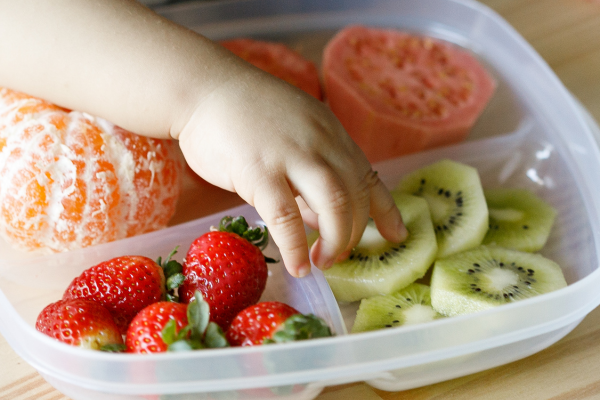
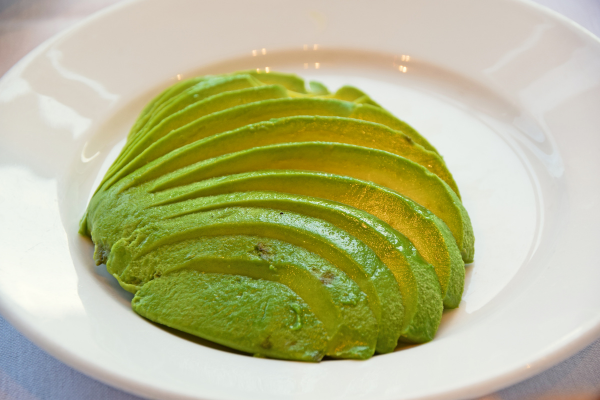
- Sliced avocado
- Steamed carrot sticks
- Halved or quartered strawberries
- Grapes: Quartered lengthwise and unseeded
- Toast fingers with avocado spread
- Banana strips
- Cooked pear slices
- Orange pieces
- Soft, cooked cauliflower or broccoli.
What drinks to offer
Milk drinks
- Breast milk or infant formula should be continued while introducing solids.
- Ensure that you have enough stock of expressed breast milk or infant formula (provided by families) to support babies’ needs.
- Low fat and reduced fat milks are not recommended in the first 2 years of life. They are suitable for children over the age of 2 years.
While babies under 12 months should not have cow’s milk as a main drink, they can have milk products in small amounts. This can include full-fat yoghurt, cheese, custard and milk in cereal.
Water
- Tap water is an important source of fluoride for young children.
- Clean and safe tap water should be freely available.
- From around 6 months, small amounts of cooled, boiled tap water can be offered.
| Age | Drinks |
|---|---|
| Before 12 months | Breast milk or infant formula should be the main drink. Cow’s milk should not be provided as a main drink. |
| After 12 months | Water and full cream cow’s milk should be the main drinks offered. |
Special diets
Allergies
Common food allergens include: cow’s milk, wheat, egg, soy, peanuts, tree nuts, sesame, and fish, crustacean and mollusc.
These foods should be introduced when babies start solids.
Delaying the introduction of common food allergens is not recommended. This includes children with a family history of food allergy.
If families request withholding specific foods due to fear of allergies, they should discuss this with their GP, dietitian, maternal child health nurse or other health professional.
Appropriate food alternatives should be provided for children with a diagnosed food allergy.
For more information about managing allergies in early childhood services, visit the allergy section on our website.
Plant-based diets
Plant-based diets, such as vegetarian and vegan diets, may not provide babies with enough of the important nutrients they need. This includes iron, zinc and vitamin B12.
Careful menu planning is needed to make sure babies get enough:
- nutrients they need
- iron – this is especially important for their development.
Include iron-rich foods like:
- legumes and beans
- tofu
- dark green leafy vegetables
- iron-fortified cereals.
If parents want their child on a plant-based diet, they should seek advice from a health professional.
You can read more information in our Menu planning for vegetarian and vegan diets resource.
When providing food and drinks for babies in care, it is important to keep these foods off the menu.
Honey
- Honey should not be given to babies.
- Honey can contain bacteria that can cause infant botulism if given to babies under 12 months of age.
Drinks other than milk and water
- Sweet drinks should not be given to babies under 12 months.
- This includes: fruit juice and fruit drinks, flavoured milk, soft drinks and cordials.
- Tea (including herbal tea) and coffee are not appropriate drinks for babies and children.
Salt and sugar
- Not to be added to babies food.
- Offering sweet and salty foods in early childhood can lead to a preference for these foods later in life.
- When cooking for babies, high salt products such as stocks, sauces and other flavourings should not be used.
Discretionary foods
- Foods and drinks high in saturated fat, added sugar or added salt should not be provided.
- This includes: sweet biscuits, cakes, confectionery and potato chips.
For more information on discretionary foods not to provide, see the Menu planning guidelines for long day care.
Make simple changes to your regular menu to make them safe for babies.
You can use the tables on the following pages to help you plan menus that use safe and nutritious foods for babies.
Table 1
- Provides examples of foods, drinks and textures that are safe for babies.
Table 2
- Outlines how to adapt one day of an example menu to be suitable for babies at different ages and stages.
- This includes breakfast, morning tea, lunch, afternoon tea and late snack.
Things to remember
- Include iron-rich foods such as meat, chicken, fish, tofu and legumes every day.
- Move from mashed and pureed foods to minced and chopped foods as soon as practicable.
- Progressing through textures should not be delayed but progressed as the baby is developmentally ready.
- Encourage finger foods and self-feeding from around 8 months.
- Encourage a variety of colourful fruit and vegetables.
- It can be easy by modifying the regular centre menu. See Table 2 for examples of how to modify the menu for different age groups.
Table 1
| Age | Texture | Food and drink examples |
|---|---|---|
| Birth - around 6 months | Liquids only | Breast milk, infant formula |
| Around 6 months - 8 months | Pureed/mashed, progressing to minced and lumpy | - Breast milk, infant formula, cooled boiled tap water (as required) - Iron-fortified infant cereals - Cooked, finely chopped or pureed meat/chicken/fish, minced beef/lamb/pork - Mashed tofu/beans/chickpeas - Mashed hard boiled or scrambled egg -Pieces of soft cooked vegetables (e.g. potato, pumpkin, sweet potato, carrot, zucchini, parsnip, green beans, broccoli). - Ensure these are not mashed together - Diced soft fruit (e.g. peach, mango, pear, avocado, melon, pawpaw) - Grated apple, ripe banana pieces, stone fruit (stones removed), sliced watermelon - Full fat yoghurt, custard, cottage cheese, ricotta cheese, grated cheese - Grain (cereal) foods such as bread, toast, oats, pasta, noodles, rice, couscous - Cow’s milk in food |
| 8 - 12 months | Chopped, finger foods, progressing to regular menu | - Breast milk, infant formula, cooled boiled tap water (as required) - Soft, ripe fruit slices (banana, pear, melon, mango) - Seedless grapes (cut in quarters with skins removed), orange or mandarin segments (membrane and pips removed), kiwifruit, pineapple - Avocado strips - Finely chopped meat/chicken/fish - Soft, steamed vegetables - Homemade vegetable fritters - Continue above dairy items - Cooked wholegrain pasta, rice, quinoa - Egg: Omelette strips, scrambled, boiled egg |
| 12 months and beyond | Variety of textures | - Breast milk, cow’s milk as a drink, water - Continue meat, chicken, fish. This may be in casseroles (mildly seasoned), meat balls or rissoles (cut into bite sized pieces) - Eggs – boiled, poached or scrambled - Canned baked beans (salt reduced) - Continue above vegetables. Start adding celery, cucumber, tomato, capsicum, mushrooms, cooked cabbage, cooked brussel sprouts - Continue above fruits. - Cheese sticks or slices - Plain rice cakes, pikelets, pasta (differing shapes, noodles and spaghetti cut up), couscous - Bite-sized sandwiches with moist fillings such as avocado - Eating from the regular menu |
Table 2
| Meal | Adaptation for infants | ||||
|---|---|---|---|---|---|
| 0-6 months | 6 months (Coarsely pureed/ mashed) | 6-8 months (Lumpy, finely chopped, progressing to finger food) | 8-12 months (Chopped, finger foods, progressing to regular menu) | 1-5 years | |
| Breakfast | Breast milk or infant formula | Iron-fortified infant cereal | Iron-fortified infant cereal | Choice of: toast fingers with avocado, Weetbix Little Kids with milk (lumpy texture), oats | Choice of: cereals, porridge, muesli, wholemeal toast |
| Morning tea | Breast milk or infant formula | Mashed fruit such as banana and kiwi, cooked apple and cooked pear Full fat yoghurt | Chopped soft fruit such as banana, kiwi, cooked apple and cooked pear Full fat yoghurt | Fresh fruit platter: Thin slices of apple, orange segments (membrane and pips removed), seedless grapes (cut in quarters with skins removed), pieces of banana, thin slices of pear and kiwifruit Cheese sticks or cubes | Fresh fruit platter: apples, oranges, grapes, bananas, pears, kiwi Cheese cubes |
| Lunch | Breast milk or infant formula | Pureed cooked chicken Mashed cooked pumpkin, carrot, zucchini (not mixed together) Mashed cooked rice | Finely chopped cooked chicken Roughly mashed cooked pumpkin, carrot, zucchini, spinach (not mixed together) Mashed cooked rice | Prepare regular risotto* recipe Include pieces of soft cooked chicken Rice | Baked chicken and vegetable risotto* Salad (carrot, lettuce, cucumber) |
| Afternoon tea | Breast milk or infant formula | Hummus dip made onsite* Mashed steamed carrot | Hummus dip made onsite* Steamed, finely chopped carrot Wholemeal toast fingers | Tzatziki dip (with finely chopped cucumber) made onsite* Steamed carrot sticks, thin slices of capsicum Wholemeal toast fingers | Tzatziki and hummus dip* Wholemeal pita bread Vegetable sticks (capsicum, steamed carrots) |
| Late snack | Breast milk or infant formula | Breast milk, infant formula, cooled boiled tap water (as required) | Wholemeal toast fingers and cheese | Wholemeal toast fingers and cheese | Wholemeal cheese sandwiches |
FoodChecker
FoodChecker is a free, online menu assessment tool. When assessing a long day care menu, FoodChecker will assess it against the Victorian Government’s Menu planning guidelines for long day care.
With FoodChecker you can enter all the food and drinks provided on each week’s menu. It will provide you with instant feedback as well as a detailed report.
The feedback will highlight:
- Areas where you meet the guidelines
- Areas that need improvement
After receiving an assessment that meets the guidelines, you will be able to download:
- PDF report with detailed feedback
- Certificate
- Copy of the menu for display
- A shopping list with all the ingredients needed
Visit the FoodChecker website today!
References:
- Infant Feeding Guidelines, National Health and Medical Research Council, 2012, www.eatforhealth.gov.au
- Get Up & Grow: Healthy Eating and Physical Activity for Early Childhood, Commonwealth of Australia, 2009
- A Baby-Led Approach to Eating Solids and Risk of Choking, 2016
- INFANT program, Deakin University
For more information please phone 1300 22 52 88 or email heas@nnf.org.au
Except where otherwise indicated, the images in this document show models and illustrative settings only, and do not necessarily depict actual services, facilities or recipients of services. This document may contain images of deceased Aboriginal and Torres Strait Islander peoples. In this document, ‘Aboriginal’ refers to both Aboriginal and Torres Strait Islander people. ‘Indigenous’ or ‘Koori/Koorie’ is retained when part of the title of a report, program or quotation. Copyright © State of Victoria 2016
Written and reviewed by dietitians and nutritionists at National Nutrition Foundation, with support from the Victorian Government.

Featured Recipes
Explore all recipes
Want to assess your menu?

The Healthy Eating Advisory Service acknowledges the Traditional Owners of the land on which we operate. We pay our respects to them, their culture and their Elders past and present.

The Healthy Eating Advisory Service is delivered by experienced nutritionists and dietitians at National Nutrition Foundation, with support from the Victorian Government.


Register your interest
"*" indicates required fields