What to leave off the menu
When children eat nutritious foods it supports their growth and development. It can also help them learn better.
Providing a healthy menu also assists with promoting healthy eating and is a requirement of the National Quality Standard. [1]
This resource will provide you with ideas of what you should not include on your menu. It will also give you ideas for how to make changes to your menu.
Discretionary choices
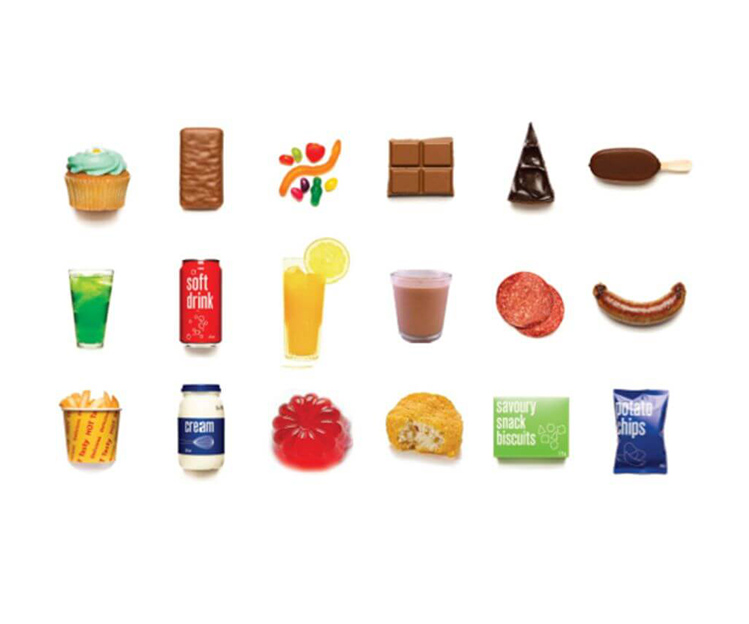
Foods and drinks which are not needed for a nutritious diet are known as ‘discretionary choices’ (figure 1).
Discretionary choices are high in saturated fat, salt and/or added sugar and low in fibre. They provide little nutritional value, and are high in energy (kilojoules).
These foods should not be included on the menu and don’t meet the Victorian Menu planning guidelines for early childhood education and care services. [2]
The problem with discretionary food and drinks
Regularly consuming discretionary food and drinks can increase the risk of dental caries, weight gain, and diet related conditions later in life. [3]
Discretionary food can take the place of foods from the five food groups that they need to meet their nutrition needs.
Figure 1: discretionary choices in the Australian Dietary Guidelines [3]
Examples of discretionary food and drinks
- confectionery, chocolate, jelly, lollies
- chips and high fat/salty savoury biscuits/crackers
- high sugar/fat biscuits, cakes, muffins, loaves and slices
- cream, sour cream and ice cream
- deep fried foods and most take away foods
- pastry foods such as cheese pinwheels, pies, sausage rolls, pasties
- some processed meats (e.g. sausages, frankfurts/hot dogs, salami, strasburg, devon, some commercial chicken nuggets and fish fingers)
- soft drinks, fruit drinks, cordial, sports drinks, sports waters, flavoured waters, flavoured mineral waters, iced teas and energy drinks.
Healthier baked items
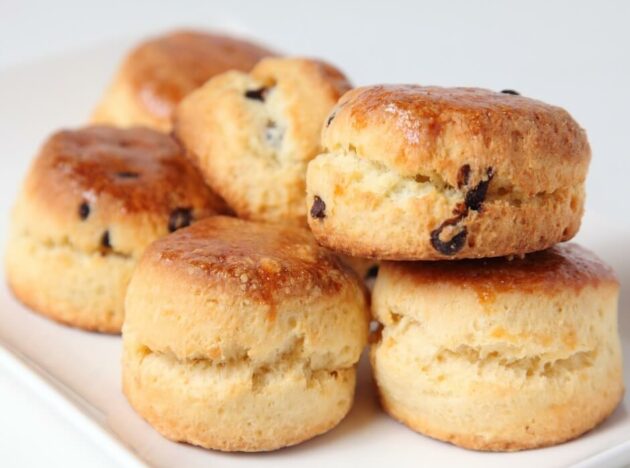
Cakes, slices, biscuits, loaves and muffins are usually classified as discretionary foods. This is because they contain too much added sugar and saturated fat (e.g. butter) which makes them high in energy.
You can make changes to baked items such as:
- including fruit and/or vegetables
- using wholemeal flour
- reducing the added sugar and oils
Treats and special occasions
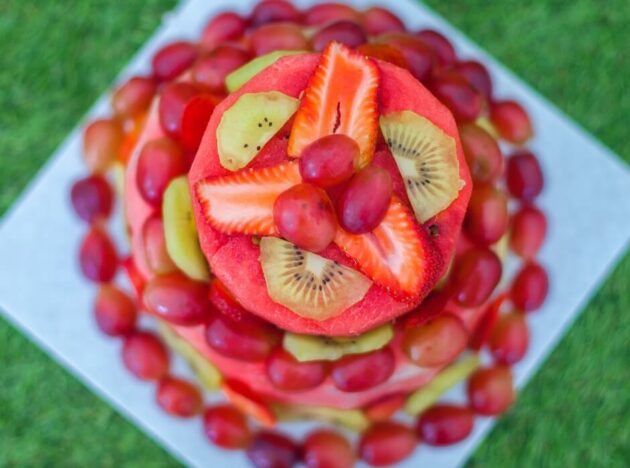
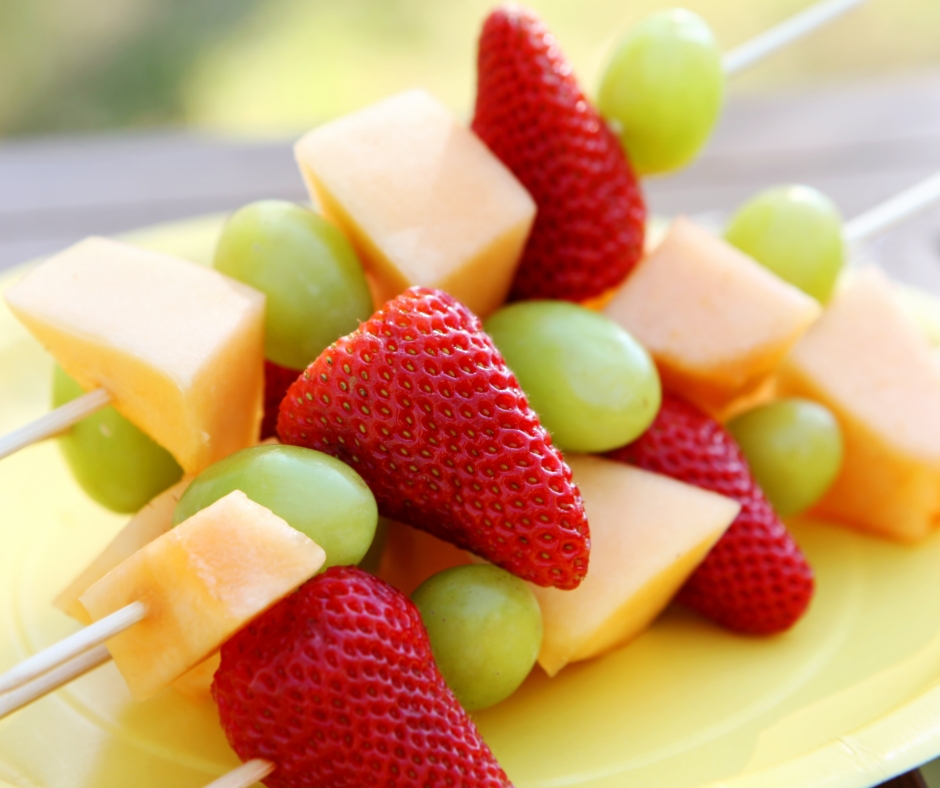
When food and drinks are provided for special occasions, there are many healthy options that kids will love. Offer foods from the five food groups and present in a colourful way.
For example, watermelon can make a delicious birthday cake; decorate with fresh colourful fruits such as sliced kiwi, star cut outs of cantaloupe and mixed berries.
Non-food treat can also be fun! Stickers, an exciting activity or a knickknack are great choices.
References
[1] National Quality Standard, Australian Children’s Education and Care Quality Authority, 2013, www.acecqa.gov.au
[2] Menu planning guidelines, Healthy Eating Advisory Service, Department of Health and Human Services, State Government of Victoria, 2012, www.heas.health.vic.gov.au
[3] Australian Dietary Guidelines, National Health and Medical Research Council, 2013, www.eatforhealth.gov.au
For more information please phone 1300 22 52 88 or email heas@nnf.org.au
Except where otherwise indicated, the images in this document show models and illustrative settings only, and do not necessarily depict actual services, facilities or recipients of services. This document may contain images of deceased Aboriginal and Torres Strait Islander peoples. In this document, ‘Aboriginal’ refers to both Aboriginal and Torres Strait Islander people. ‘Indigenous’ or ‘Koori/Koorie’ is retained when part of the title of a report, program or quotation. Copyright © State of Victoria 2016
Written and reviewed by dietitians and nutritionists at National Nutrition Foundation, with support from the Victorian Government.

Featured Recipes
Explore all recipes

Want to assess your menu?

The Healthy Eating Advisory Service acknowledges the Traditional Owners of the land on which we operate. We pay our respects to them, their culture and their Elders past and present.

The Healthy Eating Advisory Service is delivered by experienced nutritionists and dietitians at National Nutrition Foundation, with support from the Victorian Government.


Register your interest
"*" indicates required fields