Reducing salt in your service
Most of the salt we eat comes from packaged and processed foods – not the salt shaker.
This increases the risk of having high blood pressure in childhood, and the risk of developing heart disease later in life.
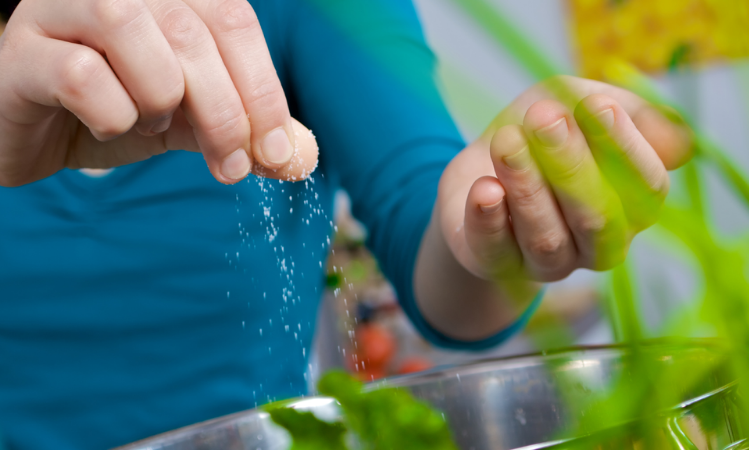
Eating a lot of salt can lead children to develop a preference for salty flavours early in life. Limiting salt intake gives their taste buds a chance to appreciate many other flavours – and they’ll be more likely to enjoy healthier foods for life.
We need some salt, but not too much
Salt is listed as sodium on food labels. Sodium is found naturally in some foods, and is added to most processed foods.
Our bodies need a small amount of sodium each day to:
- control water balance
- help our muscles and nerves to function
We can usually get enough sodium from the foods we eat without adding extra.
How much is enough?
The amount of sodium that children need each day depends on age:
| 1-3 years | 4-8 years | 9-13 years |
|---|---|---|
| 200-400mg sodium | 300-600mg sodium | 400-800mg sodium |

The Menu planning guidelines for long day care, family day care, and outside school hours care services recommend:
- using ingredients that are low in salt
- not to add salt when cooking
- not to have it available for children to add to their foods
Salt in everyday food

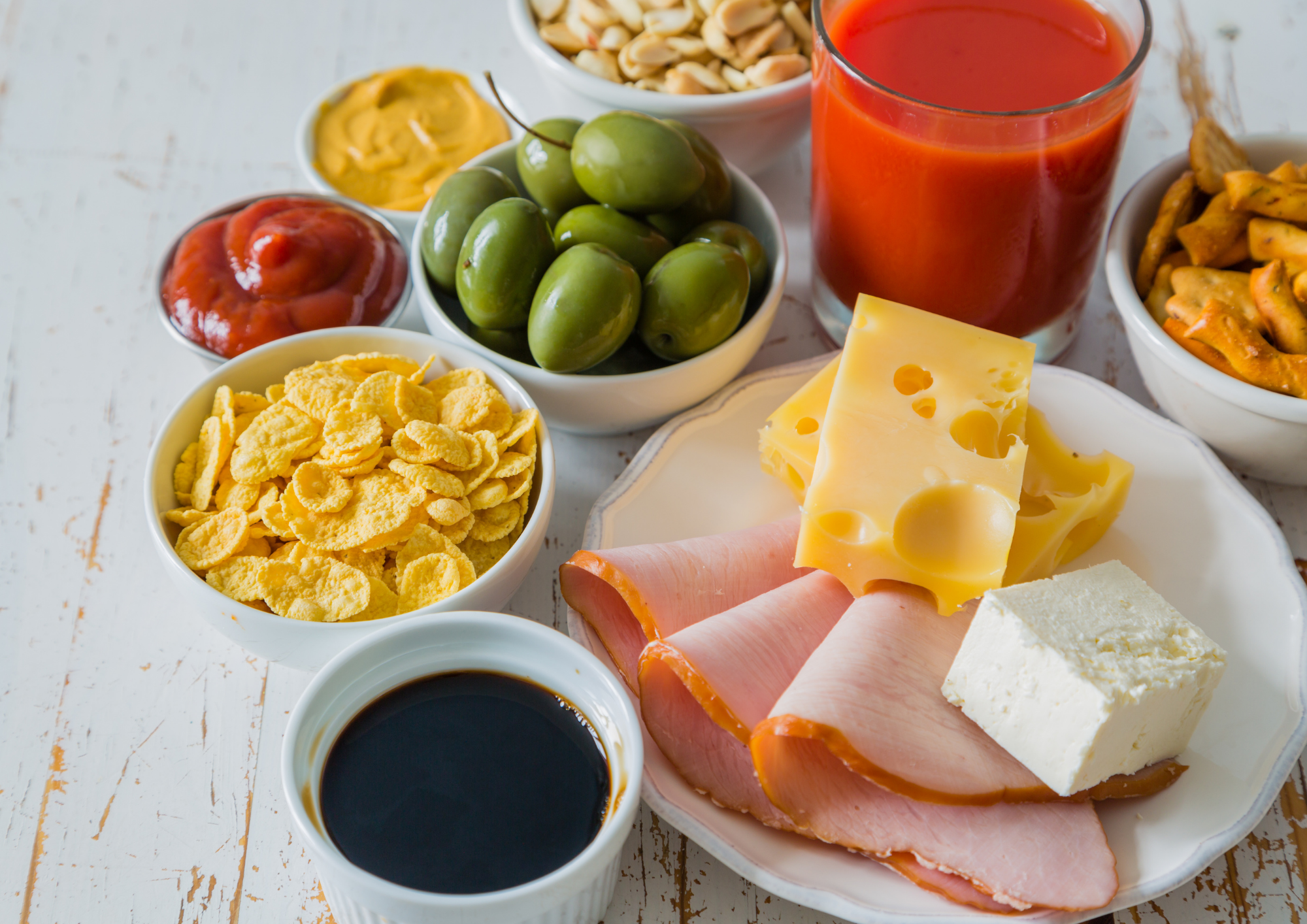
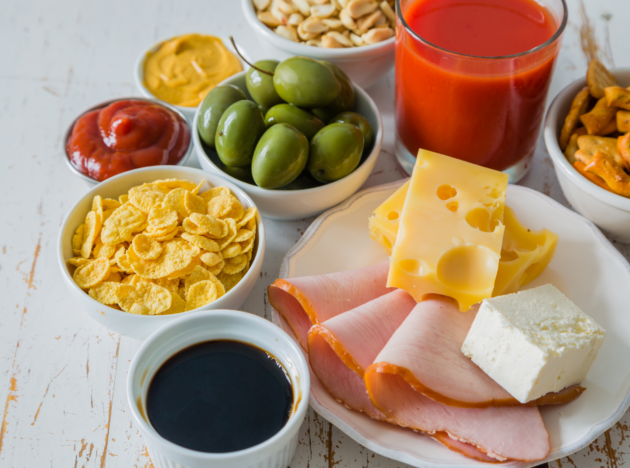
Food doesn’t have to taste salty for it to have a lot of salt. Most of the salt we eat each day comes from common packaged foods, such as:
- tomato paste and tomato sauce
- stock
- sauces and marinades
- canned vegetables, soups, fish
- cakes, biscuits and muffins
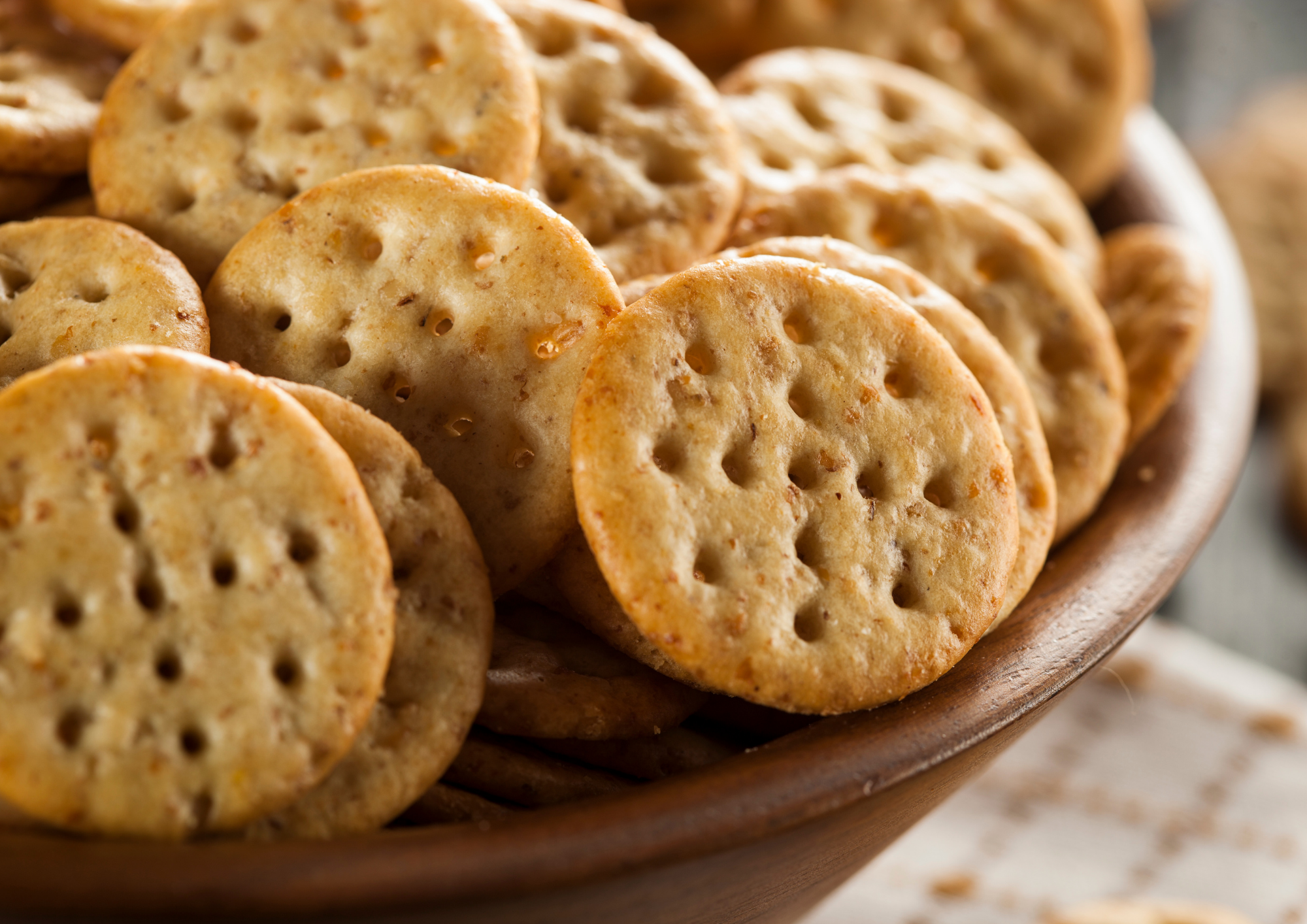
- crackers and crispbreads
- Vegemite
- processed meats, e.g. ham, bacon
- some cheeses
- some breakfast cereals
How to find low salt products
When buying pre-made or packaged products, look for ones that say:
- “low in salt”
- “salt reduced”
- “no added salt”
Look at the nutrition information panel to see how much sodium is listed in the “per 100g” column.
You can use this information to:
- compare products
- choose options with lower sodium content
| Sodium Level | Sodium value (per 100g) |
|---|---|
| Low sodium | Less than 120mg |
| Medium sodium | Between 120-600mg |
| High sodium | More than 600mg |
More ways to reduce salt in your service
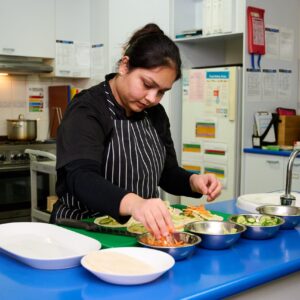
Reducing the amount of salt in your service is easier than you may think and will allow children to develop healthy eating habits for life.
- Cook most meals and snacks on site, and use less pre-made, packaged foods.
- Don’t add salt when cooking food (including in water when cooking pasta and rice).
- Limit the use of processed meats like ham, and bacon
- Don’t have salt on the table for children to add to their meals.
- Use herbs and spices to flavour foods.
- Choose low/reduced salt varieties of stock powders, liquid stocks, sauces and gravies.
- Swap processed and packaged snacks (such as chips and biscuits) with nutritious whole foods (such as fruits, vegetables, yoghurt, cheese and wholegrains).
- Choose fish that is canned in spring water instead of brine (as it’s salty).
- Drain and rinse canned foods, such as vegetables and beans.
- Use Vegemite sparingly and choose the ‘reduced salt’ option or replace it with a lower salt spread instead.
Avoid misleading salt claims
All salt is the same.
Names like these don’t necessarily mean a product is healthier:
- “sea salt”
- “natural salt”
- “rock salt”
- “vegetable salt”
- “pink salt”
- “Himalayan salt”
They all contain sodium and can impact health the same as ordinary table salt.
For more information please phone 1300 22 52 88 or email heas@nnf.org.au
Except where otherwise indicated, the images in this document show models and illustrative settings only, and do not necessarily depict actual services, facilities or recipients of services. This document may contain images of deceased Aboriginal and Torres Strait Islander peoples. In this document, ‘Aboriginal’ refers to both Aboriginal and Torres Strait Islander people. ‘Indigenous’ or ‘Koori/Koorie’ is retained when part of the title of a report, program or quotation. Copyright © State of Victoria 2016
Written and reviewed by dietitians and nutritionists at National Nutrition Foundation, with support from the Victorian Government.

Featured Recipes
Explore all recipes



Want to assess your menu?

The Healthy Eating Advisory Service acknowledges the Traditional Owners of the land on which we operate. We pay our respects to them, their culture and their Elders past and present.

The Healthy Eating Advisory Service is delivered by experienced nutritionists and dietitians at National Nutrition Foundation, with support from the Victorian Government.


Register your interest
"*" indicates required fields