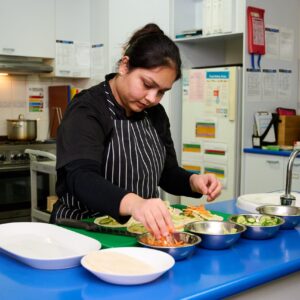
Aligning the menu to the Canteen policy
The Department of Education and Training’s Canteens, Healthy Eating and Other School Food Services Policy supports Victorian primary and secondary schools to provide healthier foods and drinks.

The policy helps schools to:
- offer a variety of nutritious foods and drinks.
- identify healthier foods and drinks.
- make it easy for students to choose healthy snacks and meals.
- promote foods that are consistent with the Australian Dietary Guidelines.
The policy applies to all school food services, such as vending machines, classroom/curriculum activities, sports days, special events, external lunch order services from milk bars or breakfast clubs.
All Department of Education policies are expected to be implemented in Victorian public schools, including the Canteens, Healthy Eating, and Other Food Services Policy. It is strongly recommended for independent and Catholic schools.

The policy also outlines the importance of food selection to reflect the Australian Dietary Guidelines and cultural diversity. Food selection also includes choosing fresh foods over processed foods, and appropriate portion sizes for varying age groups.
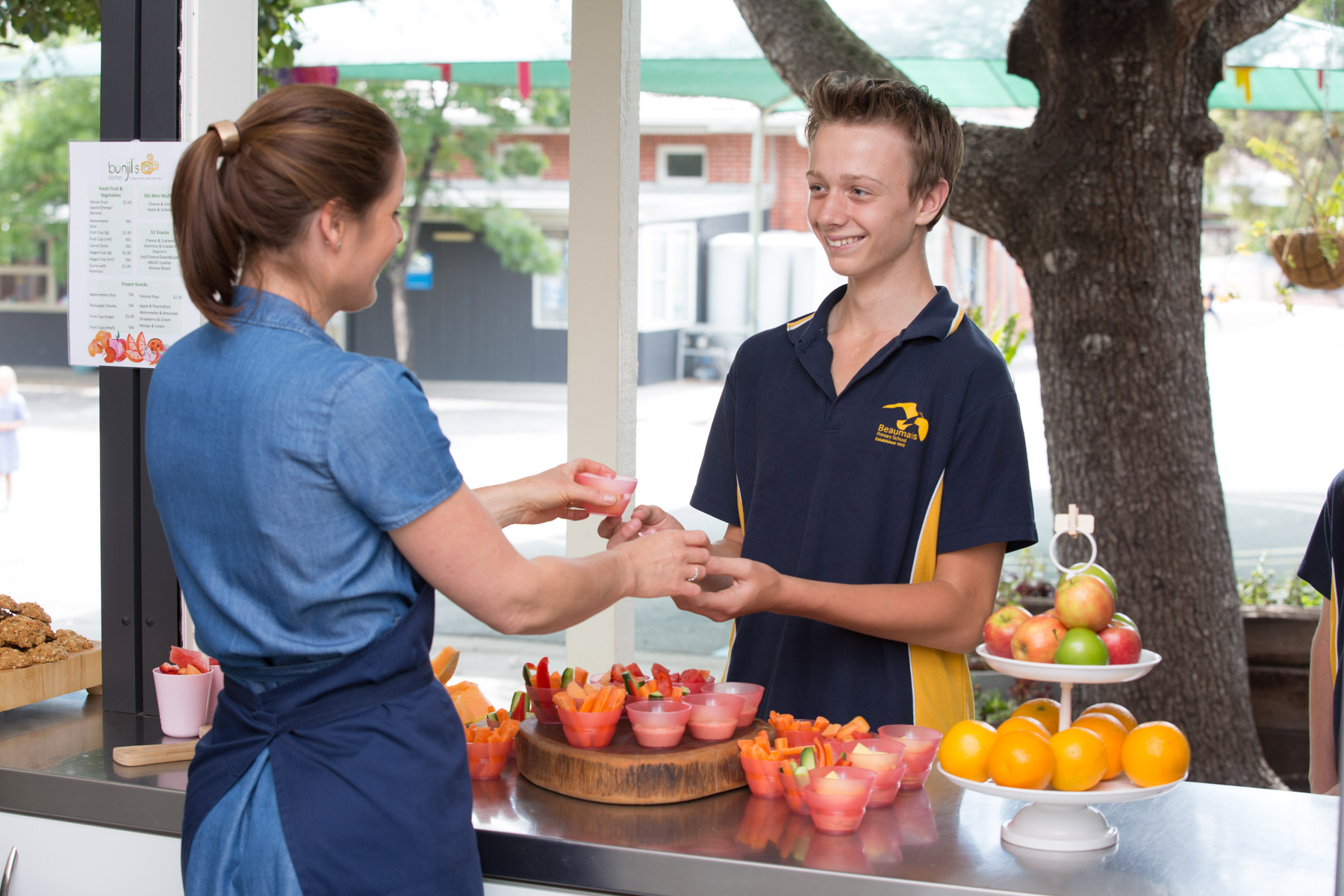
Food and drink categories
The ‘traffic light’ system is to be used behind the scenes to support menu planning. It is not recommended to display the ‘traffic light’ system, label foods and drinks as GREEN, AMBER or RED or use for educational purposes, particularly in settings with children.
Everyday category (green)
Foods and drinks in this category should be included as the main choices available and be made available every day.
This category reflects the five food groups. Examples include:
- whole foods such as fresh fruit and vegetables
- wholegrain breads and cereals
- lean cuts of meat
- legumes
- reduced fat dairy products
Items in the Everyday category should represent 50% or more of the menu.
Select carefully category (amber)
Foods and drinks in this category should not dominate the menu. These items are often processed and should be offered in smaller serving sizes. Typical foods found in this category include:
- commercially prepared pastas
- noodles
- soups
- reduced fat processed meat products
- cakes
- dairy desserts
- fruit juice
Occasionally category (red)
Foods and drinks in this category should not be regularly available in schools. This includes on the canteen menu, vending machines, curriculum activities and school events.
These foods and drinks are typically high in energy, saturated fat, and salt, and provide little nutritional benefits.
Schools should limit the availability of these foods and drinks within the school to no more than two occasions per term.
Confectionery and sugar sweetened drinks should not be supplied through school food services at any time, this includes:
- lollies
- chocolate-based snacks
- energy drinks
- flavoured mineral waters with high sugar content
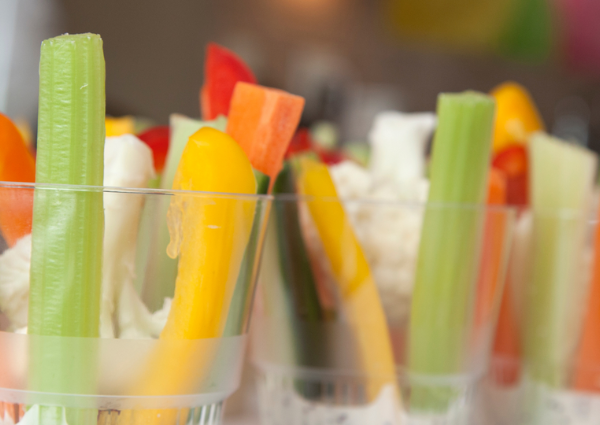
Classify foods against the policy using FoodChecker.
Step 1
- Increase the amount of Green items to more than 50% of your menu.
Step 2
- Remove all Red items including confectionery and sugary drinks.
Step 3
- Make Amber items more nutritious.
See the suggestions below for simple and easy ways to achieve step 1, 2 and 3.
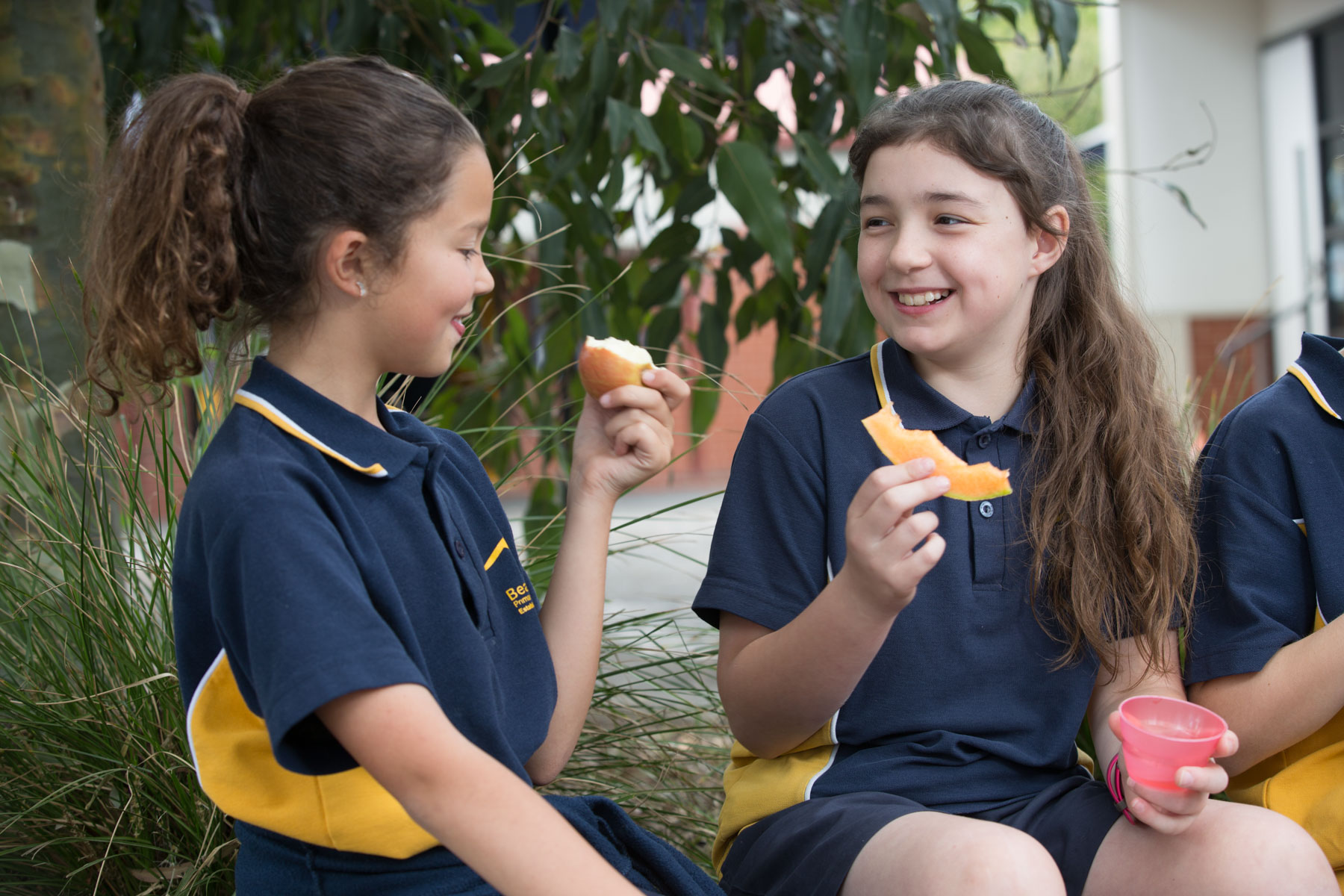
Step 1: Increase the amount of Green (Everyday) items
Green (Everyday) items are the most nutritious choices for schools to provide. They should always be available, offered as the main choices, and actively promoted.
Here are some tips to increase Green items in your school:
Use more Green ingredients
- Add extra vegetables to meals such as sandwiches, burgers, hot rolls, pastas and pizzas.
Increase offering Green varieties of existing items
- Increase sandwich, toasted sandwich, wrap and burger varieties, baked potato toppings, yoghurt and milk flavours, or fruit snack options.
Introduce new Green items to increase your range
- Continue to search for new Green items using FoodChecker and trial them as a ‘special’ to test their popularity.
- E.g. run a special ‘noodle day’ to test out a range of noodle-based dishes and introduce the most popular option into the regular menu.
Swap Amber items for Green items
- Look for Green versions of popular Amber items. There are many Green alternatives available.
- E.g. swap regular yoghurt for reduced fat yoghurt, swap regular cheese for reduced fat cheese, or swap crumbed chicken to skinless chicken.
Prepare more items on site
- Foods and drinks made on site can be made more nutritious with limited added fat, salt and sugar compared to commercially prepared items.
- Preparing foods in the kitchen allows use of more Green ingredients and to control portion sizes.
Step 2: Remove all Red (Occasionally) items
Red (Occassionally) items should not be supplied on the regular school food service menu. These items should not be provided more than twice per term.
Try these ideas to remove Red items from your food service:
Remove Red items without replacement
- This works best for items that are less popular, as they’re unlikely to be missed.
Replace Red items with a healthier alternative
- Look for Green or Amber alternatives to popular Red items.
- Take a look at healthier food and drinks swaps for a range of great ideas.
Phase out Red items
- Phasing out Red items over a period of time can help you adjust to the changes.
- This can be achieved by restricting how often the item is available, reducing the number of varieties available, or removing larger sizes and offering smaller options.
For information and resources to help you plan changes and phase out unhealthy foods and drinks, see the Action plan template and the Phase in, phase out template in our resources.
Step 3: Make Amber (Select Carefully) items more nutritious
Amber (Select Carefully) items contain some valuable nutrients, but may also include less nutritious ingredients. They are mainly processed foods that contain added fat, sugar or salt.
Schools are encouraged to limit the availability of these foods. Use the checklist and tips on the next page to guide you through making Amber foods more nutritious.
Create a vegetable version
- Swap traditional lasagne with vegetable lasagne.
- Swap meat-based pizzas with vegetarian pizzas.
- Try vegetarian fried rice.
- Try sausage rolls or pies with added vegetables.
- Swap steamed dim sims with oven-baked vegetable spring rolls.
Vegetables as a side dish
- Serve all hot foods with a small side salad or as a meal deal, coupled with a corn on the cob or a piece of fruit.
Boost it with vegetables
- Add frozen diced vegetables to commercial pasta meals before heating.
- Top commercial pizzas with extra vegetables before cooking.
Recipes ideas
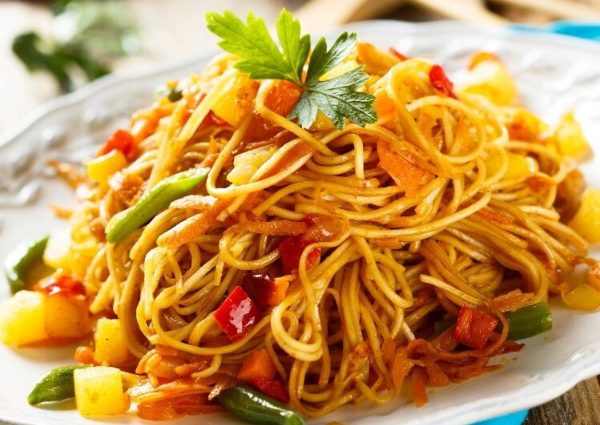
Instant noodle box (Oodles of Noodles)
Cook cakes of instant noodles with diced frozen vegetables. Strain, add diced lean ham and some sweet soy sauce. Stir through and reheat.
Warm chicken salad
Place chicken strips or four to five oven-baked nuggets on top of a bed of salad or vegetables and drizzle with reduced fat mayonnaise or dressing.
Winter warmer
Serve three to four oven baked chicken nuggets or meat balls, two Potato Smilies™, a corn on the cob and a couple of pieces of broccoli or other green vegetables. You can keep these warm in a pie warmer.
Checklist for Amber items
- Implement changes to menu items to transition Amber foods to Green options, in line with the strategies outlined above.
- Reduce the serving sizes.
- Select healthier choices within this category.
- Select choices of these foods that contain fruits and/or vegetables or serve with fruits and/or vegetables.
For more information please phone 1300 22 52 88 or email heas@nnf.org.au
Except where otherwise indicated, the images in this document show models and illustrative settings only, and do not necessarily depict actual services, facilities or recipients of services. This document may contain images of deceased Aboriginal and Torres Strait Islander peoples. In this document, ‘Aboriginal’ refers to both Aboriginal and Torres Strait Islander people. ‘Indigenous’ or ‘Koori/Koorie’ is retained when part of the title of a report, program or quotation. Copyright © State of Victoria 2016
Written and reviewed by dietitians and nutritionists at National Nutrition Foundation, with support from the Victorian Government.

Related resources
Featured recipes
Explore more recipes




Want to assess your menu?

The Healthy Eating Advisory Service acknowledges the Traditional Owners of the land on which we operate. We pay our respects to them, their culture and their Elders past and present.

The Healthy Eating Advisory Service is delivered by experienced nutritionists and dietitians at National Nutrition Foundation, with support from the Victorian Government.


Register your interest
"*" indicates required fields